
Table of Contents
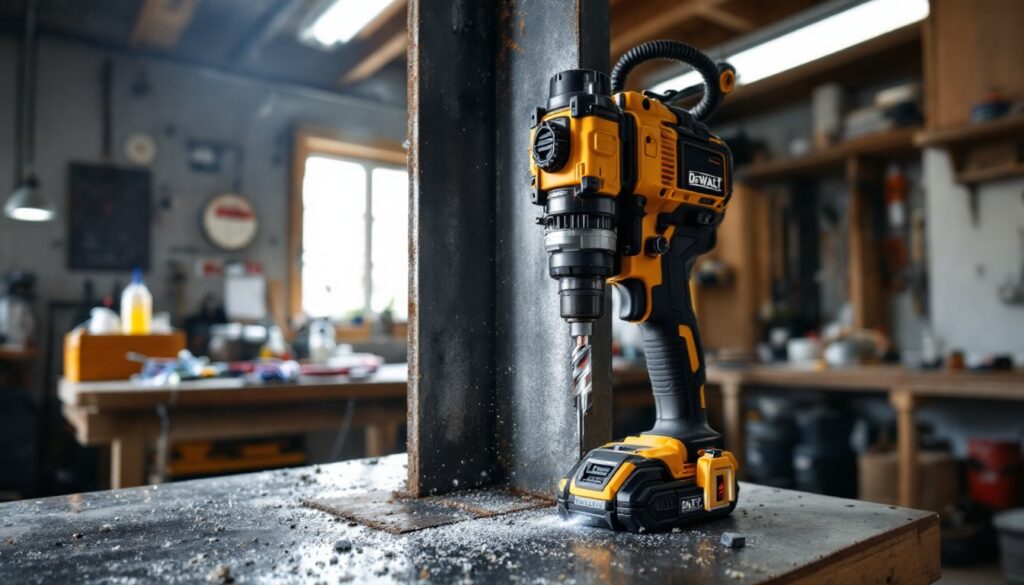
ToggleA mag drill isn’t something most homeowners consider until they need to drill a clean, precise hole through thick steel, like mounting heavy-duty hardware, installing deck ledgers with structural fasteners, or running conduit through metal studs. Then it becomes indispensable. DeWalt’s magnetic drill presses bring industrial-grade capability to serious DIYers who occasionally need metalworking precision without the bulk and cost of a full shop setup. These tools use electromagnetic bases to anchor securely to ferrous metal surfaces, letting you drill perfectly perpendicular holes even on vertical or overhead applications. If your project involves structural steel, metal fabrication, or heavy metal fastening, understanding how to choose and use a DeWalt mag drill can save hours of frustration and deliver professional-grade results.
Key Takeaways
- A DeWalt mag drill uses electromagnetic force (1,500–2,600 pounds of holding power) to anchor securely to steel surfaces, enabling precise perpendicular drilling for structural fastening without handheld or clamping struggles.
- The corded DWE1622K and cordless DCD470X1 are top models for DIYers: choose corded for high-volume stationary work or cordless for portability and flexibility in remote or overhead applications.
- Before drilling, verify clean, flat metal surfaces, confirm solid magnetic hold, and always apply cutting fluid and wear safety gear—these practices prevent slippage, protect your workpiece, and ensure safe operation.
- DeWalt mag drills excel in heavy-duty metalworking projects like deck ledger installation, metal railing posts, conduit runs, and custom fabrication where handheld drills fail to deliver clean, accurate results.
- Regular maintenance—cleaning the magnet base, inspecting annular cutters, lubricating moving parts, and testing magnet hold before each session—extends tool life and ensures reliable decades of service.
What Is a DeWalt Mag Drill and Why Do You Need One?
A magnetic drill press, commonly called a mag drill, is a portable drilling machine designed specifically for metalworking. Unlike conventional drill presses that rely on a stationary base, a mag drill uses a powerful electromagnet to clamp onto steel surfaces. This allows the operator to drill accurate, large-diameter holes in metal without wrestling with handheld drills or clamping awkward workpieces.
DeWalt’s mag drills are built around a motor-driven cutting tool (typically an annular cutter, which removes a ring of material rather than drilling through it entirely) mounted on a magnetic base. The electromagnetic force can range from 1,500 to over 2,600 pounds of holding power, depending on the model. That clamping force keeps the drill stable even during heavy cuts, reducing chatter and improving hole quality.
You’ll want a mag drill if you’re working with steel thicker than 1/4 inch, drilling multiple holes in metal framing, or tackling jobs where precision matters, think attaching steel posts, installing railings, running electrical conduit, or fabricating custom metalwork. For one-off projects, you might rent. But if metalworking is a recurring part of your DIY repertoire, or you’re stepping into light fabrication and shop setup, owning a DeWalt mag drill pays off quickly in time saved and cleaner results.
Top DeWalt Mag Drill Models for Homeowners and DIY Projects
DeWalt’s lineup includes both corded and cordless mag drills. For home use, two models stand out.
The DeWalt DWE1622K is the most popular corded option. It features a 10-amp motor, 2-inch cutting capacity, and a magnetic base with 2,600 pounds of holding force. It’s compatible with 3/4-inch Weldon shank annular cutters and includes an integrated automatic cutter feed. This model weighs around 30 pounds, making it manageable for one person but still stable under load. It’s ideal for heavy structural work, deck ledgers, steel framing, or metal stair fabrication.
For cordless freedom, the DeWalt DCD470X1 runs on DeWalt’s 60V MAX FlexVolt battery platform. It offers 2-inch cutting capacity, 1,500 pounds of magnetic holding force, and enough runtime for several dozen holes per charge, depending on material thickness. It weighs less than the corded version, around 28 pounds with battery, and shines in locations without reliable power, outdoor metal railings, remote job sites, or when working on ladders or scaffolding.
Both models deliver precise, repeatable results. Choose corded for stationary, high-volume work. Go cordless if portability and flexibility outweigh runtime concerns. Either way, you’re getting industrial-grade performance in a package sized for serious DIY use.
Key Features to Look for When Buying a DeWalt Mag Drill
When evaluating a mag drill, focus on these core specs:
Magnetic holding force: This determines how securely the drill stays put. Look for at least 1,500 pounds for home use: 2,600 pounds if you’re drilling overhead or through thicker materials. Insufficient force can cause the drill to slip mid-cut, ruining the workpiece and potentially causing injury.
Cutting capacity: Measured in inches, this is the maximum diameter hole the drill can make. Most DeWalt models handle 2-inch annular cutters, which covers the majority of residential metalworking. If you need larger holes, you’ll step into commercial-grade machines.
Motor power: Corded models range from 10 to 13 amps. Higher amperage cuts faster and handles tougher alloys. Cordless models use voltage and battery amp-hours (Ah) to gauge runtime and power. A 60V MAX battery with 9.0 Ah delivers enough juice for a full day of moderate drilling.
Travel distance: This is how deep the drill can cut in a single pass. DeWalt’s models typically offer 2 to 3 inches of travel, enough for most structural steel and plate.
Safety features: Look for an automatic shutoff if the magnet loses contact, a lock-on switch to prevent accidental starts, and an integrated coolant system or coolant bottle mount to manage heat during prolonged cuts. These aren’t luxuries, they’re essential for safe, effective metalworking.
How to Set Up and Use Your DeWalt Mag Drill Safely
Before powering up, ensure the work surface is clean, flat, and free of paint, rust, or mill scale. Contaminants reduce magnetic contact and compromise holding force. Wipe down the magnet base and workpiece with a wire brush or grinder if needed.
Step 1: Position the mag drill base on the metal surface where you want to drill. Check that the base makes full contact, no gaps or wobble.
Step 2: Engage the electromagnet. Most DeWalt models have a lever or switch. You should feel strong resistance when trying to slide the drill. If it moves easily, the magnet isn’t seated or the surface isn’t ferrous. Never drill without confirming solid magnetic hold.
Step 3: Install the annular cutter. Use the appropriate Weldon shank size (typically 3/4 inch). Tighten the setscrew firmly, loose cutters can spin out under load.
Step 4: Adjust the drill height so the cutter pilot pin contacts the center mark of your hole. Use a center punch for accuracy.
Step 5: Apply cutting fluid. Even a few drops reduce friction, prolong cutter life, and improve hole finish. Some DeWalt models have built-in coolant reservoirs: others require a squeeze bottle.
Step 6: Start the motor and engage the automatic feed (if equipped) or manually advance the cutter using the feed handle. Apply steady, even pressure. Let the cutter do the work, forcing it causes chatter and premature wear.
Safety gear is non-negotiable: Wear safety glasses, hearing protection, and work gloves. Metal chips are sharp and hot. Keep loose clothing and jewelry clear of moving parts. If drilling overhead, use a safety strap to secure the drill in case of magnet failure. And remember: professional-grade tools demand professional-grade safety practices.
Common DIY Applications for Your DeWalt Mag Drill at Home
Mag drills excel in situations where a handheld drill would struggle or fail. Here are typical home and light commercial uses:
Deck and porch ledger installation: When attaching a ledger board to a steel I-beam or metal building frame, you need clean, perpendicular holes for structural bolts. A mag drill ensures accurate placement and prevents elongated holes that compromise load capacity.
Metal railing and gate posts: Drilling mounting holes through 1/4-inch or thicker steel posts is tedious with a handheld drill. A mag drill speeds the job and eliminates wandering bits.
Conduit and electrical runs: Running conduit through metal studs or structural steel requires precise, burr-free holes. An annular cutter leaves a cleaner edge than a twist bit, reducing the risk of wire insulation damage.
Custom metalwork and fabrication: Building steel workbenches, shelving, or outdoor furniture often involves drilling dozens of holes in angle iron, channel, or tube steel. A mag drill maintains consistency across repetitive cuts.
HVAC duct installation: Mounting heavy ductwork to steel joists or beams benefits from the precision and stability a mag drill provides.
While mag drills are overkill for wood or light-gauge sheet metal, they’re the right tool, often the only practical tool, for heavy-duty metal fastening. Many serious DIYers find the investment worthwhile after just one or two projects, especially when compared to benchtop drill presses that lack portability and can’t handle vertical or overhead work.
Maintenance Tips to Keep Your DeWalt Mag Drill Running Strong
Mag drills are built tough, but they aren’t maintenance-free. Follow these practices to extend tool life and ensure reliable performance:
Clean the magnet base after every use. Metal chips, dust, and cutting fluid residue reduce holding force. Wipe the base with a clean rag and inspect for burrs or damage.
Inspect annular cutters regularly. Dull or chipped cutters increase cutting time, generate excess heat, and strain the motor. Sharpen or replace cutters as needed. Store them in a protective case to prevent damage.
Lubricate moving parts. The drill’s feed mechanism and arbor should be lightly oiled per the manufacturer’s schedule, typically after every 40-50 hours of use. Use a lightweight machine oil, not WD-40 or general-purpose sprays.
Check electrical connections and cords. Frayed cords or loose plugs are safety hazards. For cordless models, keep battery contacts clean and store batteries at partial charge (40-60%) if not in use for extended periods.
Test the magnet hold before each session. Even if the tool looks fine, verify that the electromagnet engages fully. A weak magnet is a warning sign of internal electrical issues that require service.
Store properly. Keep the drill in its case, away from moisture and temperature extremes. Humidity can cause rust on the magnet base and internal components.
DeWalt offers a three-year limited warranty on most mag drills, but that doesn’t cover neglect or misuse. Treat the tool like the precision instrument it is, and it’ll deliver decades of service.
Conclusion
A DeWalt mag drill bridges the gap between handheld portability and stationary precision, making metalworking accessible to DIYers tackling structural projects at home. Whether mounting steel beams, fabricating custom railings, or running conduit through metal framing, the right model, paired with proper setup, safety practices, and maintenance, delivers professional results without the learning curve of traditional metalworking equipment. Choose based on your power source needs, verify magnetic hold before every cut, and invest in quality annular cutters. The result? Clean, accurate holes and a tool that earns its space in the shop.