
Table of Contents
ToggleMost homeowners toss potatoes in the crisper drawer without a second thought, right next to the lettuce and carrots. But that instinct might be quietly sabotaging your spuds, and potentially your next batch of home fries. The refrigerator changes potato chemistry in ways that affect taste, texture, and even safety. Understanding how cold temperatures interact with starch and sugar can save you from mushy, overly sweet potatoes and help you get weeks of storage life from a single bag. This guide breaks down the science, offers practical alternatives, and clarifies when (if ever) refrigeration makes sense.
Key Takeaways
- Refrigerators below 45°F trigger cold-induced sweetening in potatoes, converting starches to sugars that cause excessive browning, mushy texture, and potential acrylamide formation when cooking.
- The ideal storage temperature for potatoes is 45–50°F in cool, dark, well-ventilated spaces like basements or pantries—not the refrigerator—where they can last 2–5 months depending on variety.
- Potatoes require 80–90% humidity and breathable containers (burlap sacks, mesh bags, or paper bags) to prevent mold and sprouting; avoid sealed plastic bags and storage near onions, heat sources, or moisture-prone areas like under-sink cabinets.
- If refrigeration is unavoidable, let potatoes sit at room temperature for 24–48 hours before roasting or frying to reconvert sugars back to starches and reduce browning and acrylamide by up to 50%.
- Inspect potatoes weekly, store them dirty (unwashed until use), keep them away from light to prevent toxic solanine production, and discard those with sprouts longer than 1/2 inch or green patches.
Why the Refrigerator Isn’t Ideal for Potato Storage
Cold temperatures below 45°F trigger a process called cold-induced sweetening in potatoes. The tuber’s natural starches begin converting to sugars, primarily glucose and fructose, as a survival mechanism. In the ground, this would help the potato survive freezing soil. In your fridge, it just makes them taste weirdly sweet and causes problems during cooking.
When you roast or fry a high-sugar potato, those excess sugars undergo the Maillard reaction and caramelization at a much faster rate. The result? Dark, overly browned spots before the interior cooks through, and the potential formation of acrylamide, a chemical compound that forms when starchy foods are cooked at high heat (above 250°F). The FDA and European Food Safety Authority have both flagged acrylamide as a concern in fried and roasted foods.
What Happens to Potatoes When Refrigerated
Beyond sweetness, refrigeration affects texture. The excess moisture in a standard fridge condenses on potato skins, creating an environment where mold, soft spots, and sprouting accelerate. The relative humidity in most refrigerators hovers around 30–40%, but potatoes need 80–90% to stay firm and fresh.
Cold also damages cell walls. When potatoes are stored below their ideal range, ice crystals can form inside the cells, rupturing them. Once thawed or brought to room temperature, those potatoes turn mushy and mealy, fine for mashed potatoes, terrible for roasting or grilling. If you’ve ever pulled out a bag of potatoes that felt slimy or developed an off smell, condensation and poor airflow were likely the culprits.
The Best Places to Store Potatoes in Your Home
Potatoes thrive in cool, dark, and well-ventilated spaces. The target range is 45–50°F, which is warmer than a fridge but cooler than most living spaces. Here are the top options:
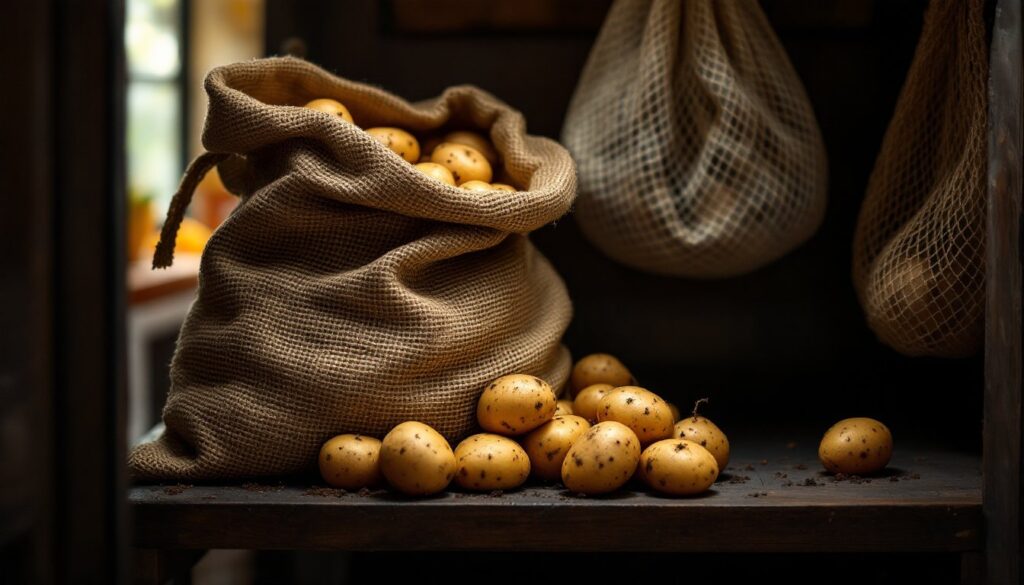
- Basement or cellar: Unfinished basements with concrete floors often maintain stable, cool temperatures year-round. Store potatoes in breathable containers (burlap sacks, paper bags, or ventilated wooden crates) off the floor to prevent moisture absorption.
- Pantry or cupboard away from heat sources: If your home lacks a basement, a pantry or lower cabinet away from the stove, dishwasher, and direct sunlight works. Avoid upper cabinets, which trap rising heat.
- Garage (climate-dependent): In moderate climates, an insulated garage can work during fall and winter. Monitor temps, if it dips below freezing or climbs above 60°F, potatoes will suffer.
- Root cellar or dedicated storage bin: For serious gardeners or bulk buyers, a ventilated root cellar maintains ideal humidity and temperature. Some DIYers build simple below-grade storage bins using foam board insulation and ventilation pipes.
Always keep potatoes in the dark. Light exposure (natural or artificial) triggers solanine production, a toxic compound that turns potato skins green. Solanine tastes bitter and, in large amounts, can cause nausea and digestive issues. If you see green patches, cut them away generously, at least 1/4 inch deep, or discard the potato if greening is widespread.
How to Properly Store Potatoes for Maximum Freshness
Good storage starts before you even bring potatoes home. Here’s the step-by-step:
- Inspect before buying or harvesting: Choose firm, unblemished potatoes. Avoid any with soft spots, sprouts, cuts, or green skin. Small surface blemishes are fine if you plan to use them within a week.
- Skip the wash: Moisture invites mold. Store potatoes dirty (brush off loose soil if needed) and wash them right before use. If you harvested from your garden, cure them first: spread in a single layer in a dark, ventilated area at 50–60°F for 10–14 days to toughen skins.
- Use breathable containers: Plastic bags trap moisture and ethylene gas, speeding decay. Transfer potatoes to burlap sacks, mesh bags, cardboard boxes with ventilation holes, or paper bags. Leave the top open or loosely folded.
- Keep away from onions: Onions release ethylene gas and moisture, both of which cause potatoes to sprout and spoil faster. Store them in separate bins or on opposite sides of the pantry.
- Check weekly: Remove any potatoes that develop soft spots, sprouts longer than 1/2 inch, or off odors. One bad potato can release moisture and gases that accelerate spoilage in the rest.
For those managing a kitchen organization system, labeling storage bins by purchase or harvest date helps rotate stock and use older potatoes first. This simple habit can extend average storage life by 20–30%.
When Refrigerating Potatoes Might Be Acceptable
There are a few scenarios where refrigeration is the lesser evil:
- You’ve already cooked them: Cooked potatoes (mashed, roasted, or boiled) should be refrigerated within two hours to prevent bacterial growth. Store in airtight containers and use within 3–5 days. Reheat thoroughly to at least 165°F.
- No alternative storage and warm climate: If your home stays above 70°F year-round and you lack a cool pantry, refrigeration beats rapid sprouting and shriveling. Potatoes stored at room temperature in warm, humid climates can spoil in under a week.
- Short-term emergency: If you bought potatoes and won’t use them for 2–3 weeks, and your only cool spot is the fridge, go ahead, but plan to use them for mashed, boiled, or slow-cooked applications where sweetness and browning are less critical.
If you do refrigerate raw potatoes, let them sit at room temperature for 24–48 hours before roasting or frying. This “reconditioning” allows some of the converted sugars to revert to starches, reducing acrylamide formation and excessive browning. Studies show this rest period can cut acrylamide levels by up to 50% in fried potatoes.
Common Potato Storage Mistakes to Avoid
Even experienced home cooks make these errors:
- Storing in sealed plastic bags: Traps moisture, leading to mold and rot within days. Always use breathable materials.
- Leaving under the sink: Dark, yes, but under-sink cabinets are often damp from plumbing leaks or condensation. High humidity without ventilation invites decay.
- Keeping near heat sources: Potatoes stored next to the oven, stovetop, or dishwasher sprout rapidly and shrivel. Heat accelerates respiration, burning through the potato’s stored energy.
- Ignoring sprouts until they’re long: Small sprouts (under 1/2 inch) can be removed, and the potato is still safe to eat. But once sprouts exceed an inch or the potato feels soft and rubbery, it’s past its prime. Sprouted potatoes have higher solanine levels and should be discarded if heavily sprouted or green.
- Mixing varieties without thought: Waxy potatoes (red, fingerling) and starchy types (russet, Idaho) have slightly different storage tolerances. Waxy varieties tend to last a bit longer in less-than-ideal conditions, but it’s best to store all potatoes under the same cool, dark conditions.
- Overbuying without a plan: A 10-pound bag sounds economical, but if you’re cooking for one or two and lack proper storage, you’ll lose half to spoilage. Buy quantities that match your consumption rate and storage capacity.
How Long Do Potatoes Last Using Different Storage Methods
Storage life varies by method, variety, and initial condition. Here’s what to expect:
- Ideal conditions (45–50°F, dark, ventilated): 2–3 months for most varieties. Russets and other thick-skinned types can push 4–5 months if cured properly.
- Room temperature (60–70°F, pantry): 1–2 weeks before sprouting begins. Warmer homes see faster degradation.
- Refrigerator (35–40°F): 3–4 weeks before quality noticeably declines (excess sweetness, potential browning issues). Not recommended for long-term storage.
- Cooked and refrigerated: 3–5 days in an airtight container. Freeze mashed or par-cooked potatoes for up to 3 months: blanch cut potatoes in boiling water for 3–5 minutes, cool, and freeze in a single layer before bagging.
New potatoes (thin-skinned, harvested young) have shorter storage lives, typically 1–2 weeks even under ideal conditions. They’re best used fresh. Mature, cured potatoes from fall harvests are your long-haul champions.
For homeowners managing seasonal produce or building out a pantry storage system, investing in a wireless temperature and humidity monitor ($15–$30) can help dial in your storage area. Set alerts for temps above 55°F or below 40°F to catch fluctuations before they cost you a whole bin of potatoes.
Bottom line: Skip the fridge unless you’re out of options. A cool, dark cupboard or basement beats cold storage every time for flavor, texture, and safety. With the right setup, a single bag of potatoes can fuel weeks of home-cooked meals without a single mushy spud or bitter green patch.